
Real Estate 3D Visualization That Actually Sells Units
A floor plan tells a buyer where the kitchen is. It does not tell them what dinner feels like in that kitchen. That gap — between a technical drawing and a lived-in feeling — is the entire reason real estate 3D visualization exists, and it is why agencies marketing off-plan or pre-construction stock keep coming back to it.
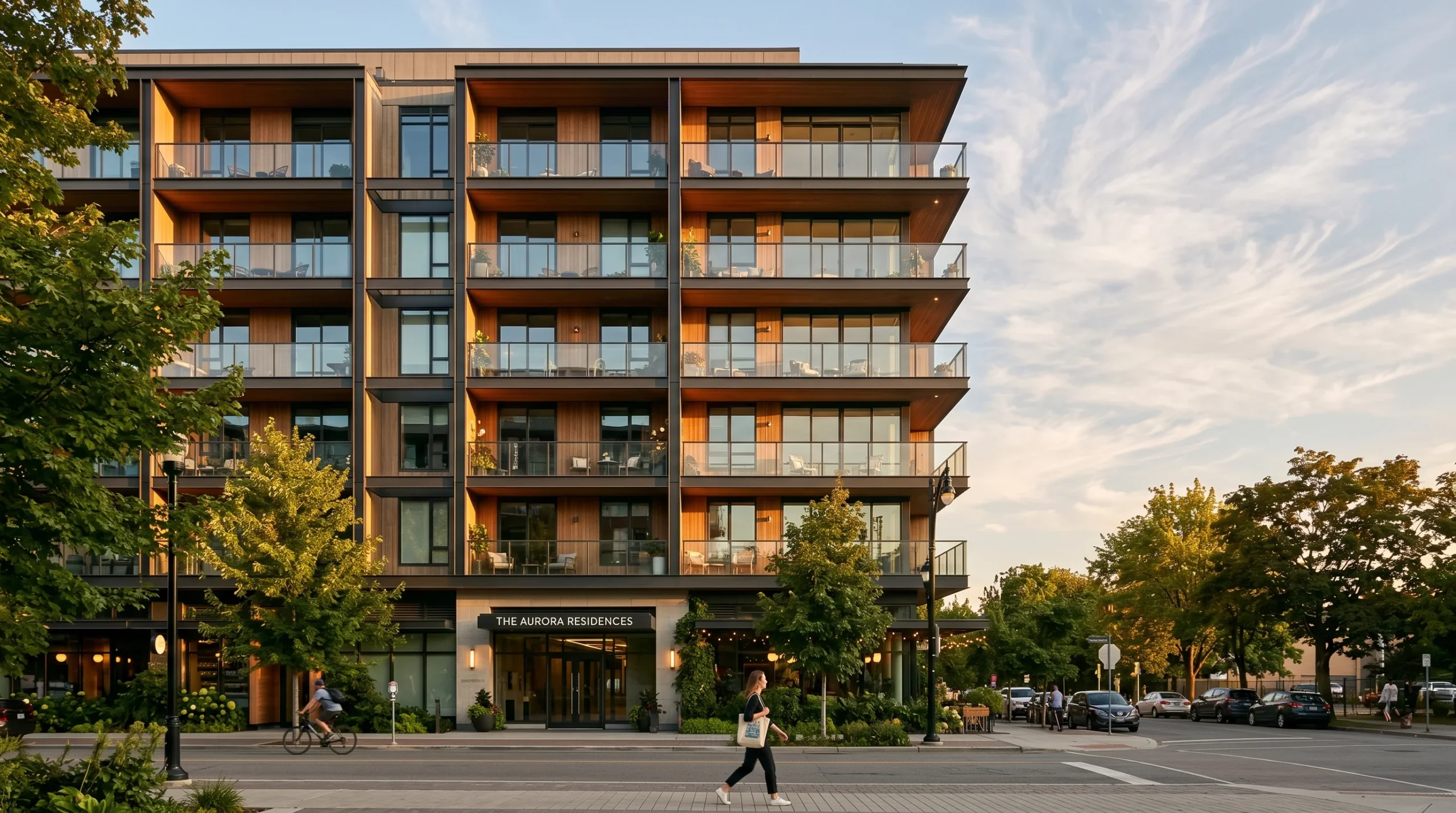
We have spent over 2 decades producing renders, animations, and interactive tours for property developers, builders, and the agencies selling on their behalf. The work is rarely glamorous. Most of it is the same patient loop: take the architect’s drawings, build an accurate 3D model, light it well, place believable furniture, and produce assets the sales team can use across every channel they sell in.
What Agencies Actually Buy From Us
Agency marketing managers ask for one of a few things, depending on the listing and the stage of the project. Most briefs fall into these buckets:
- Exterior renders — hero shots of the building, the entrance, the street, the block. Usually one or two flagship images plus secondary angles for property portals, brochures, and ad creative.
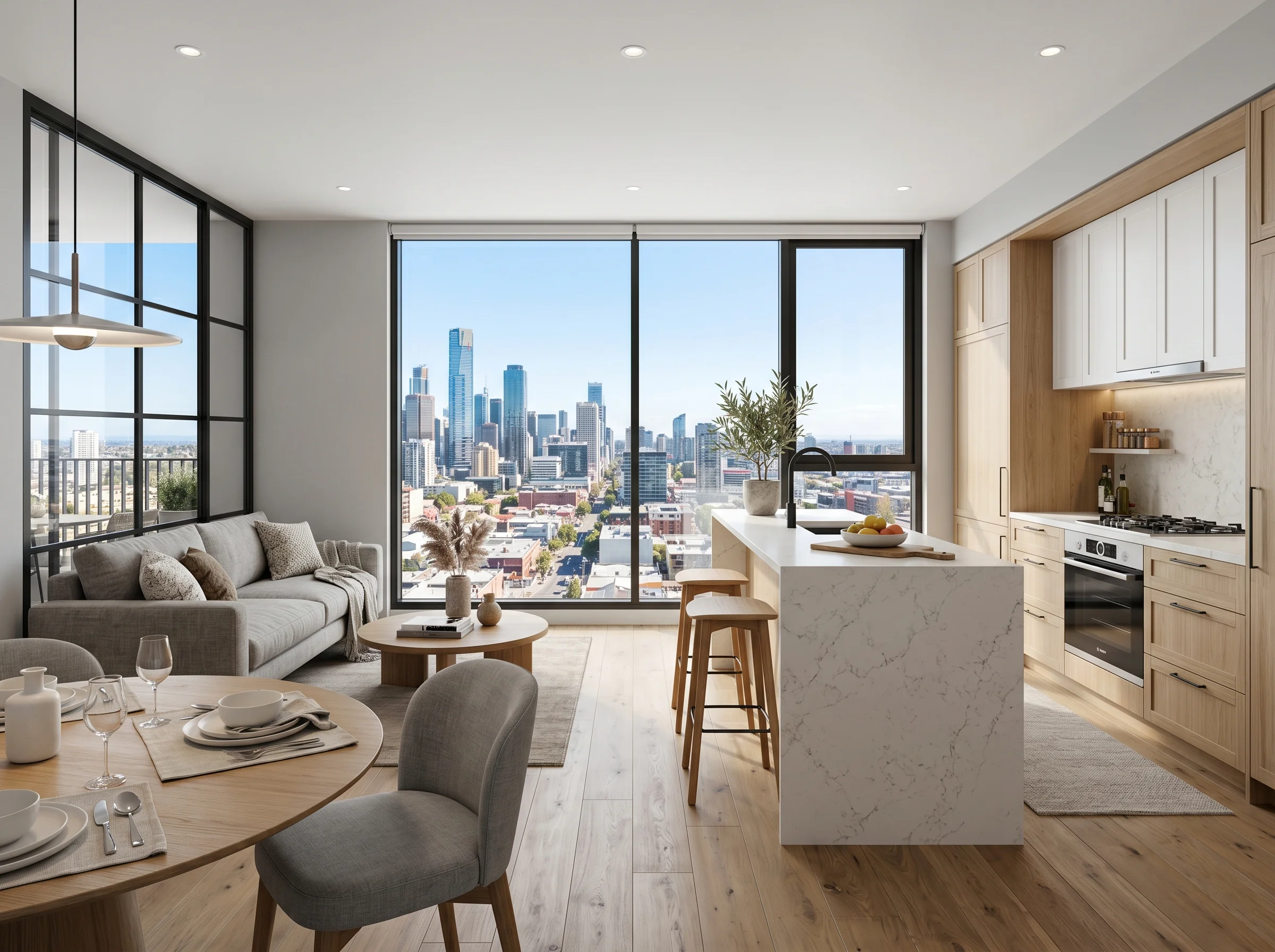
- Interior renders — kitchens, living rooms, bedrooms, primary bathrooms. The shots that go on the listing page. The shots buyers actually screenshot and send to their partner.
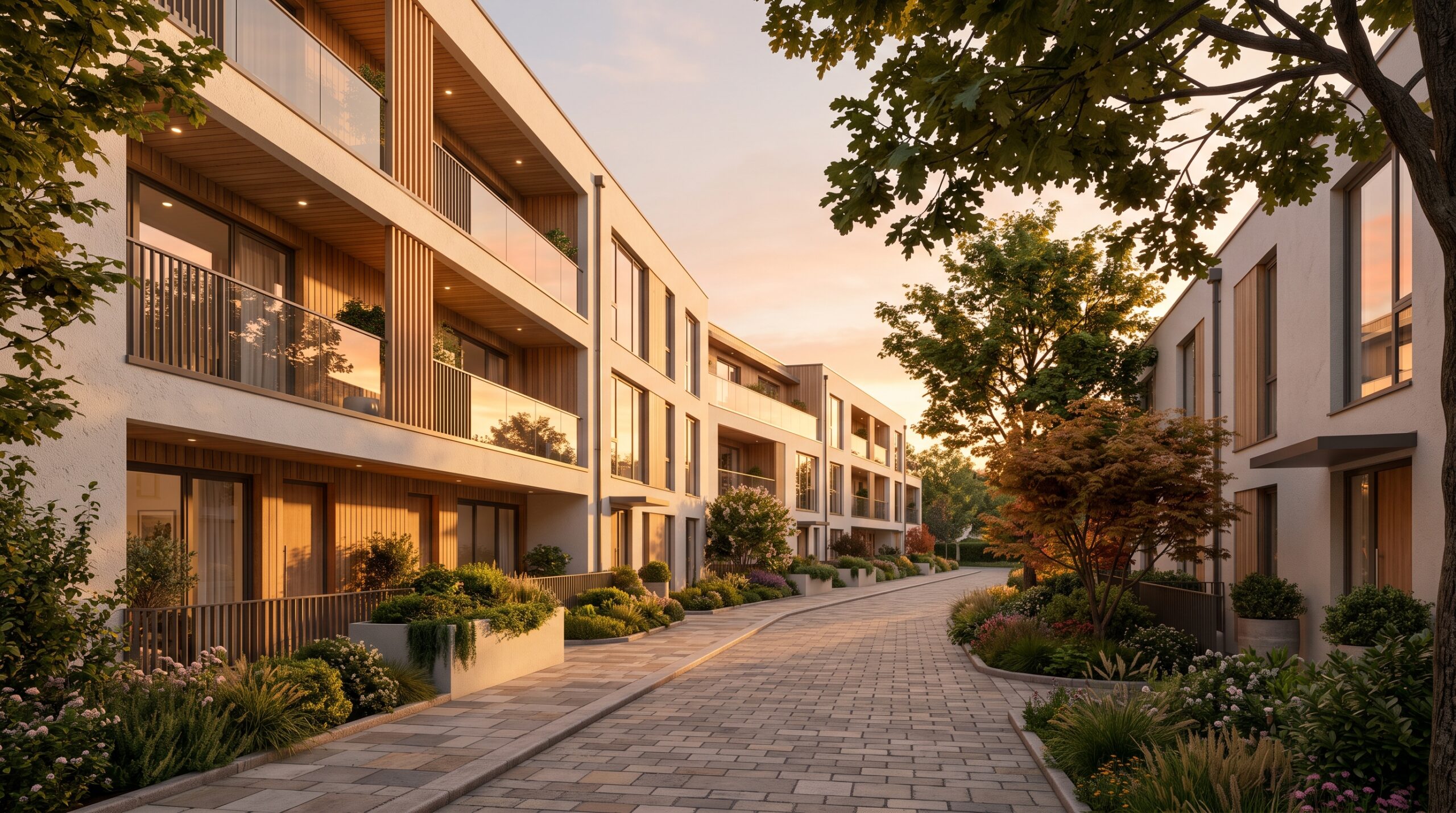
- Aerial and site-context renders — for masterplans, mixed-use schemes, or projects where the surrounding area matters as much as the building itself.
- 360 panoramic tours — clickable, stitched panoramas a buyer can spin around in their browser. Good middle ground between still images and full walkthroughs. Cheaper than animation and surprisingly persuasive.
- Architectural walkthrough animation — a one- to two-minute video that moves through the property the way a buyer would. Works hard on social and on developer sales-suite screens.
- Interactive WebGL tours — browser-based 3D experiences where a buyer can choose a unit, change a finish package, or step inside without downloading anything. Less common but high-impact for premium schemes.
Most agencies start with stills. Once they see what the renders do to the click-through rate on portal listings, the conversation usually shifts toward animation or a tour.
Why Off-Plan and Pre-Construction Listings Lean on Renders Hardest
If the building is finished and beautifully photographed, you do not need us. The agency’s job is largely done by a decent photographer. Where 3D visualization earns its keep is everything before that — the long stretch between the marketing launch and the day the show flat opens.
Buyers committing money to a unit they cannot walk through are taking a leap of faith. The agency’s pitch lives or dies on whether the buyer can picture themselves in the space. A floor plan with a bit of staging in PowerPoint will not get them there. A well-composed interior render — correct light, believable materials, furniture at the right scale — usually does.
We have seen developers light up an entire pre-sales pipeline on the back of six interior images and one exterior hero shot. That is not because the renders were miraculous. It is because they were specific. The buyer saw the actual kitchen, the actual view, the actual finish package they would be buying. Specificity sells. Generic mood imagery does not.
360 Panoramic Tours: The Underrated Middle Option
Stills are cheap. Full animation is expensive. 360 panoramic tours sit between the two, and for a lot of real estate briefs they are the right answer.
A tour gives the buyer agency. They click. They look up at the ceiling. They turn around to see the kitchen behind them. That small interaction does something a flat image cannot — it makes the space feel real. We produce tours that drop into a property portal, a developer’s microsite, or an agency’s listing platform with no plugin install needed on the buyer’s side.
Honest caveat: a 360 tour is not magic. It will not save a unit that buyers do not want. But for a borderline listing — the one where the floor plan is fine but nothing on the page is pulling the click — a tour often shifts the numbers enough to matter.
Interactive Walkthroughs and WebGL Configurators
For larger schemes with multiple unit types and finish options, the work gets more interesting. We build browser-based interactive experiences where a buyer picks a floor, picks a unit, picks a finish package, and sees the result rendered in real time. This is genuinely useful for premium developments where the developer is selling choice, not just square footage.
It is also expensive and slow to build. We tend to recommend interactive tools only when the scheme is big enough to justify it — typically a development with at least a few dozen units of varying type, or a brand-led project where the developer wants buyers spending time on the website rather than bouncing back to a portal.
How We Work With Agencies
The cleanest projects start when the agency gets us involved before the marketing collateral is locked in. That way the renders are made for the channels they will actually live in — portrait crops for Instagram, landscape hero for the property portal, square thumbnails for paid social. Made-once, used-everywhere is rarely the right brief.
What we need from the agency or the developer:
- Architect’s drawings — floor plans, elevations, sections in DWG or PDF.
- Finish schedule, or at least sample boards for the kitchen, bathroom, and primary materials.
- A view of the actual surroundings if the project is real and on a real plot.
- The list of camera angles or scenes you want, or a brief and we will propose them.
- Brand guidelines if the imagery needs to match a wider campaign.
From there, our process runs in stages. Greybox or clay renders first — no textures, no final lighting, just the geometry and camera angles confirmed. This is the moment to argue about composition. Half the value of a clay render is that everyone stops debating sofa upholstery until the camera is locked. Once the angles are signed off, we move to materials, lighting, and final beauty renders. Revision rounds are built into the schedule. Serious projects always have some change orders.
Where the Work Lives
The deliverables we hand over are sized and formatted for real use, not just for our own portfolio:
- High-resolution stills for print brochures and large-format sales-suite displays.
- Web-optimized JPGs and WebP for property portals and the developer’s site.
- Social-ready crops in the aspect ratios each platform actually uses.
- MP4 walkthrough animations in the lengths and resolutions your media plan needs.
- Embed-ready 360 tours and WebGL experiences.
Most agency marketing teams underestimate how much the format matters until they end up cropping a render badly for Instagram at midnight. We would rather hand over the right files the first time.
Honest Positioning
We are not a boutique studio that does six prestige projects a year and charges for the privilege. We are a working visualization studio with 1,500+ projects delivered across residential, commercial, mixed-use, and hospitality. That volume matters for agencies — we have already seen most of the awkward briefs, the difficult sites, the late finish changes, and the corner cases. Surprises are rare.
We also do not do everything. We do not produce permit-stamped drawings, we do not certify engineering, and we do not pretend to be a marketing agency. If your campaign needs a strategist and copywriter, hire those separately. We are the team that makes the visuals.
For agencies thinking about how visualization fits into a wider sales process, the short answer is: earlier is better, and specific beats generic every time.